
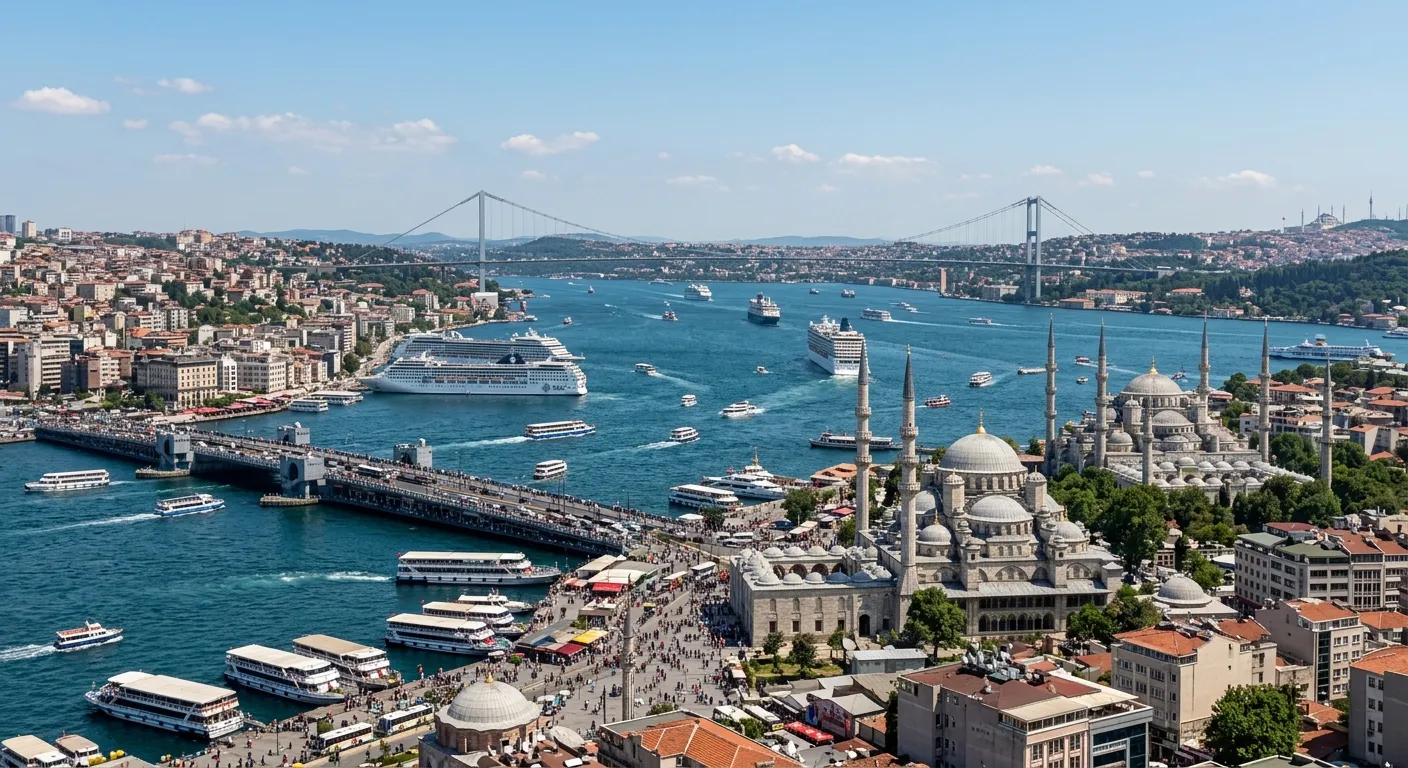
The Turkish tourism sector has officially proven its economic resilience, recording unprecedented milestones during the first half of the year. Industry analysts and economic researchers closely tracking Mediterranean travel performance are reviewing finalized data that underscores robust international demand. Amid changing geopolitical landscapes, Turkiye continues to anchor its position as a global powerhouse for travelers seeking diverse cultural, historical, and coastal destinations.
- Turkey tourism revenue reached $25.746 billion in the first half of 2026.
- The country welcomed approximately 25.759 million visitors during the same six-month period.
- Russia, Germany, and the United Kingdom led the primary visitor-sending markets.
Record-Breaking Tourism Revenue in H1 2026
How much revenue did Turkey tourism make in 2026? Official data confirms that Turkey tourism revenue 2026 figures hit an impressive $25.746 billion during the first half of the year. This financial milestone reflects strong per-capita spending by international travelers and effective strategic marketing campaigns spearheaded by regional authorities.
Visitor Statistics and Top Tourist Markets
Alongside strong financial outcomes, physical traveler volumes experienced a remarkable surge. How many tourists visited Turkey in the first half of the year? The nation registered roughly 25.759 million arrivals through various border gates, airports, and marine ports, pointing toward a nearly full recovery and expansion beyond pre-pandemic baseline figures.
| Metric Category | H1 2026 Performance Data |
|---|---|
| Total Tourism Revenue | $25.746 Billion |
| Total Visitor Arrivals | 25.759 Million Visitors |
| Top Source Markets | Russia, Germany, United Kingdom |
Leading Countries Sending Visitors to Turkiye
Which countries send the most tourists to Turkey? According to Turkish tourism statistics 2026, traditional European and Eurasian markets continue to dominate inbound travel streams. Russia, Germany, and the United Kingdom secured the top three positions in visitor volume. Travelers from these key source markets demonstrated high loyalty to Turkish coastal resorts, historical city centers, and medical tourism infrastructure.
Strategic Expansion and Future Outlook for Turkish Tourism
To maintain this upward trajectory, the Ministry of Culture and Tourism has continually expanded promotional campaigns into secondary and tertiary international markets. Beyond traditional seaside vacation spots in Antalya and Mugla, historical heritage tours in Cappadocia, gastronomic explorations in Gaziantep, and weekend city breaks in Istanbul have drawn substantial interest. Furthermore, investments in sustainable tourism practices and digital infrastructure are enhancing overall visitor satisfaction.
Industry experts emphasize that per-visitor expenditure metrics have experienced healthy growth, illustrating a strategic shift from pure volume chasing to high-value tourism attraction. Visitors are increasingly engaging in cultural excursions, luxury shopping, and wellness retreats, thereby maximizing the economic footprint of each international arrival.
Resilience Amid Regional and Global Challenges
Analyzing the broader economic framework, the Turkish tourism sector displayed exceptional agility. Official data underscores how operators successfully navigated regional tensions, flight path adjustments, and fluctuating global travel expenses. By upgrading service standards and expanding regional destination offerings, Turkiye remains a top-performing market in international tourism.
Detailed Economic Impact and Sector Analysis
The stellar performance observed in the first half of 2026 is not merely a statistical anomaly but the direct outcome of concerted public-private partnerships, sophisticated infrastructural enhancements, and targeted global advertising blitzes. Economists note that tourism acts as a vital multiplier for multiple domestic sectors, including retail, agriculture, transportation, and construction. As millions of international travelers traverse the country, local businesses from artisan workshops in traditional bazaars to five-star hospitality groups reap the benefits of high-velocity cash flow.
Furthermore, the sustained influx of foreign currency helps stabilize macroeconomic balances, supporting employment stability for millions of hospitality workers across all eighty-one provinces. Training academies and vocational hospitality programs have also seen increased funding and enrollment, ensuring that service quality matches world-class benchmarks. Looking ahead toward the second half of the year, industry associations remain confident that autumn shoulder seasons—traditionally favored by cultural tourists, hikers, and convention delegates—will further amplify annual figures, keeping Turkey firmly on track to surpass previous all-time records in both international visitor volumes and total tourism earnings.