
The international cultural community is celebrating a major milestone in global heritage preservation as the latest developments unfold regarding UNESCO World Heritage sites 2025. International preservation efforts have reached a significant turning point following official announcements regarding ongoing global cultural initiatives, marking a profound commitment to safeguarding humanity’s most treasured cultural and natural landmarks for future generations.
- The 48th session successfully concluded in Busan, South Korea.
- A total of 25 new locations gained top-tier international protection.
- Strategic emphasis was placed on sustainable tourism and inclusivity.
Conclusion of the 48th UNESCO Session in Busan
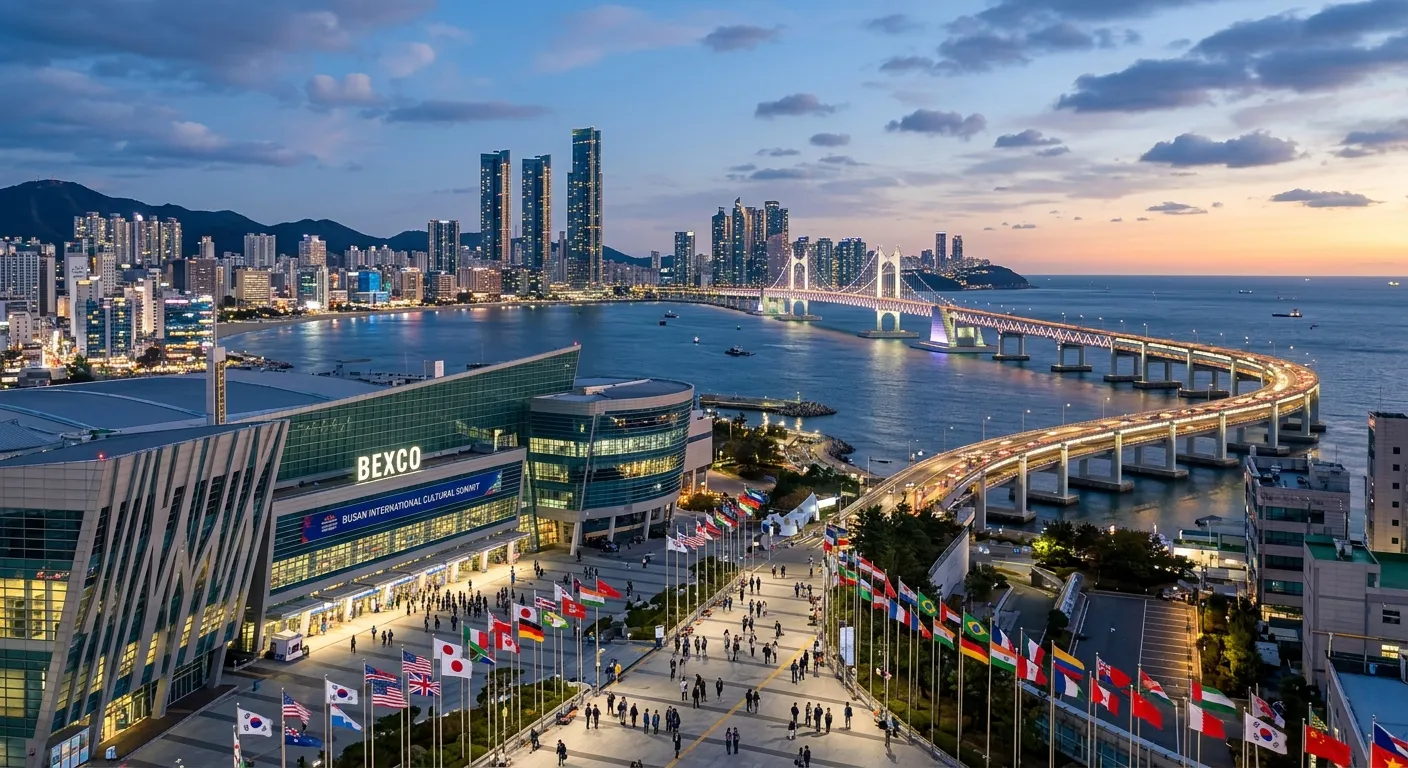
The World Heritage Committee officially concluded its high-profile gathering, marking a historic chapter for international preservation. Where was the 48th UNESCO committee session held? The major international event took place in the vibrant city of Busan, South Korea, bringing together global delegates, cultural experts, and international leaders to deliberate on the future of humanity’s shared historical and natural treasures.
Throughout the multi-day conference, delegates evaluated numerous nominations from across the globe. Each candidate site underwent rigorous scientific and historical reviews to determine its exceptional universal value. The choice of Busan as the host city also highlighted South Korea’s growing role in promoting cultural diplomacy and international cooperation in heritage conservation.
Furthermore, extensive discussions were held regarding the impact of modern urban development on historical zones. Experts shared case studies on mitigating risks associated with rapid industrialization, providing a comprehensive framework that other nations can adopt to protect their national heritage assets. This collaborative environment fostered new bilateral agreements focused on technical assistance and professional training for heritage managers.
25 New Sites Added to the World Heritage List
A central highlight of the proceedings was the official expansion of the internationally protected registry. How many new sites joined the UNESCO heritage list in Busan? A total of 25 new sites were added to the World Heritage List during this pivotal session, granting them the highest levels of legal and institutional protection under international guidelines.
These newly inscribed properties represent an extraordinary diversity of human achievement and natural wonder, spanning ancient architectural marvels, critical ecological habitats, and culturally significant landscapes that tell the complex story of our planet. Each site undergoes years of meticulous preparation before gaining inscription, ensuring that only locations meeting the strictest criteria are welcomed into the global family of protected heritage.
Among these additions are several transboundary properties that highlight the shared history and cooperative spirit of neighboring nations. These sites demonstrate that cultural and natural heritage often transcends political borders, requiring joint stewardship and unified protection policies to survive the tests of time.
| Session Detail | Host City | New Additions |
|---|---|---|
| 48th Session | Busan, South Korea | 25 Sites |
Focus on Sustainable Tourism and Inclusivity
During the meetings, the Director-General of UNESCO emphasized the critical importance of fostering inclusivity and diversity across the entire registry. According to official UNESCO updates, these modern updates are fundamentally designed to actively support long-term sustainable development and encourage responsible tourism practices worldwide.
As global travel rebounds and heritage sites face unprecedented pressures from climate change and over-tourism, the framework established in Busan introduces proactive measures to safeguard vulnerable ecosystems and fragile monuments while still allowing local economies to benefit from cultural tourism.
Local communities were placed at the heart of these discussions, with delegates agreeing that indigenous knowledge and traditional management practices are indispensable for the effective conservation of natural and cultural sites. Empowering local populations ensures that heritage protection goes hand in hand with regional economic development and social equity.
Future Outlook for Global Heritage Protection
As the international community reflects on the achievements accomplished during the Busan meetings, attention now turns toward the implementation of these protection frameworks. Ensuring that these locations thrive requires continued cooperation between local governments, international bodies, and local communities, securing these cultural assets for future generations.
Looking ahead, future committee sessions will build upon the momentum generated in Busan, setting new benchmarks for heritage management, climate resilience, and global solidarity in the protection of our shared history. The roadmap established at this historic session serves as a guiding light for upcoming conservation projects across the globe.