

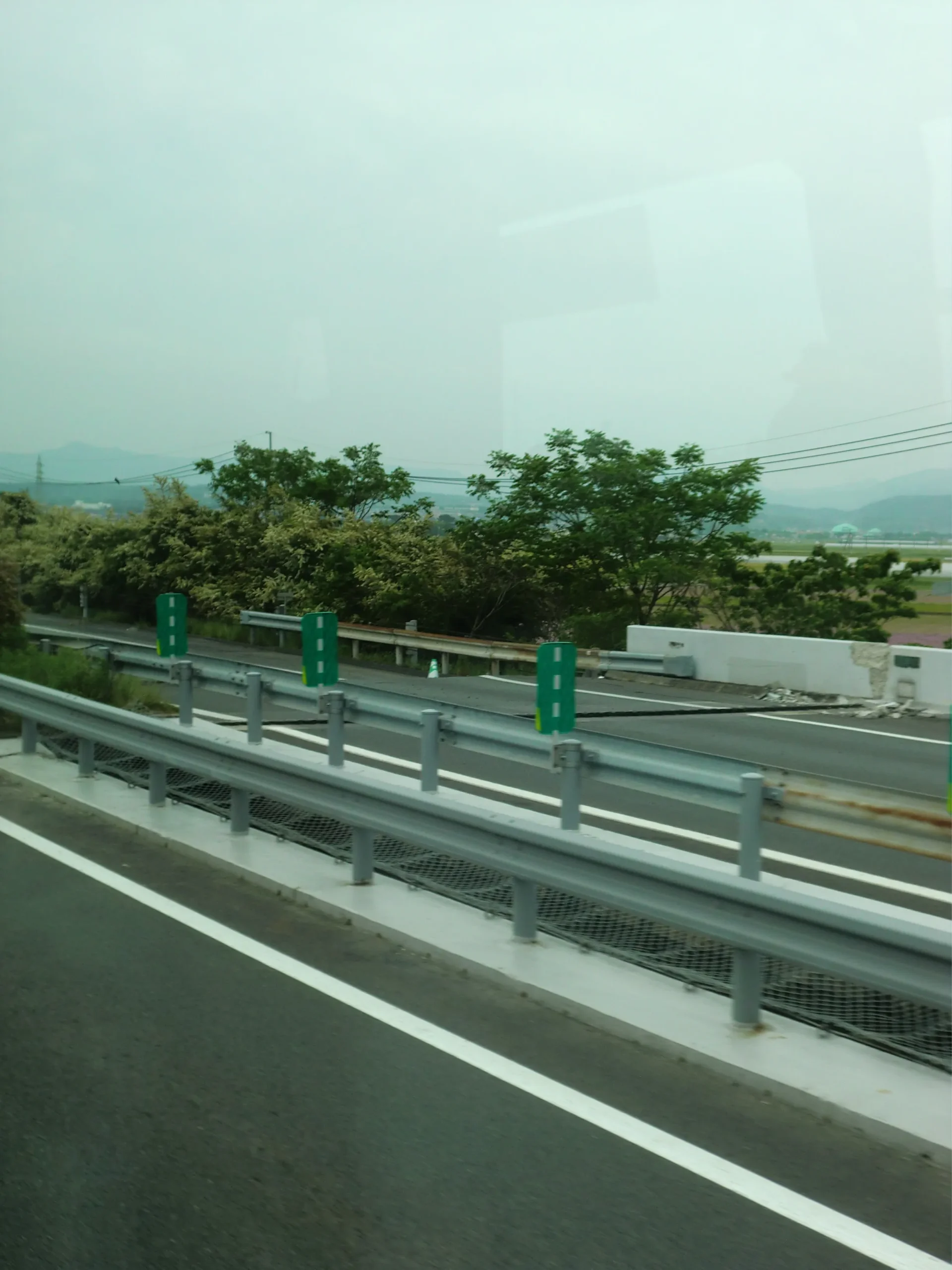
A powerful Kyushu earthquake Japan event has severely impacted the southern region of the country, registering a destructive magnitude of 7.1. This major natural disaster has resulted in significant structural failures, including building collapses and widespread power outages affecting tens of thousands of homes across the island. As international news readers and local communities monitor the unfolding situation, emergency response teams have mobilized rapidly to address the human impact and search for survivors trapped beneath the rubble. Authorities and meteorological services are actively assessing the structural integrity of damaged areas while maintaining high alert levels for potential upcoming seismic activity.
- A massive magnitude 7.1 earthquake struck Kyushu island in southern Japan.
- Severe infrastructure damage includes collapsed buildings and power outages for tens of thousands of homes.
- Intensive, ongoing rescue operations are focused on finding missing survivors.
- Local authorities are conducting comprehensive damage assessments and warning residents of aftershocks.
Massive 7.1 Magnitude Earthquake Hits Kyushu
What was the magnitude of the earthquake in Kyushu Japan? The seismic event that struck southern Japan registered a powerful magnitude 7.1 on the Richter scale, making it one of the most severe tremors to impact the region recently. Originating along the seismically active Pacific Ring of Fire, the quake sent violent tremors across the Kyushu island, causing immediate disruption to daily life, transportation networks, and critical utilities. As reported by major international outlets like The Guardian, major tremors of this scale possess the kinetic energy to compromise foundational infrastructure, leading to the structural collapses and extensive blackouts currently being managed by emergency services.
Furthermore, the geological composition of the region can sometimes amplify seismic waves, increasing the intensity of the shaking in alluvial basins and coastal flatlands. Local authorities have noted that regional transit systems, including bullet train networks and regional expressways, were temporarily halted for safety inspections immediately following the initial shock. Engineers and transportation officials have been deployed to check rail alignments, highway overpasses, and tunnel structures to ensure no hidden faults could jeopardize passenger safety once services resume.
Ongoing Rescue Operations and Survivor Search
Are rescue operations ongoing in southern Japan after the earthquake? Yes, intensive search and rescue missions are currently underway across the affected zones of Kyushu island. Specialized rescue teams have been deployed to heavily impacted neighborhoods where buildings have crumbled. Personnel are utilizing heavy machinery, thermal imaging, and K-9 units to locate individuals who remain trapped beneath the debris. The humanitarian focus remains firmly on saving lives, providing immediate medical triage to the injured, and establishing temporary shelters for displaced residents whose homes were rendered uninhabitable by the violent shaking.
In addition to urban search and rescue teams, medical volunteers and psychological support units have arrived at evacuation centers. Providing clean water, emergency rations, and basic medical supplies is a top priority for prefectural governments working in coordination with national defense forces. Evacuees are receiving blankets, sanitation kits, and access to communication stations so they can notify relatives of their safety amidst the chaos.
Infrastructure Damage and Power Outages
The structural toll of the 7.1 magnitude tremor is substantial. Initial damage updates confirm that dozens of commercial and residential buildings have suffered partial or total collapses. Furthermore, electrical grids sustained severe blows, leaving tens of thousands of households across southern Japan without electricity. Municipal authorities and utility workers are working around the clock to clear blocked roadways, restore power lines, and inspect critical bridges and tunnels for hidden structural faults before allowing public access.
Telecommunication networks have also experienced intermittent disruptions due to power failures and overloaded cellular towers as residents attempt to contact loved ones. Utility companies have dispatched mobile generator trucks to hospitals and key municipal buildings to keep critical public services operational while technicians repair substation transformers damaged by falling debris.
Authorities Warn of Potential Aftershocks
Following the initial catastrophe, the Japan Meteorological Agency has issued continuous warnings regarding the high probability of aftershocks in the coming days. These subsequent tremors can range in severity and pose an ongoing risk to rescue personnel operating in unstable environments. Citizens are urged to stay tuned to official emergency broadcasts, keep emergency kits prepared, and avoid entering any buildings that have shown signs of structural stress or compromise until professional engineers complete safety evaluations.
As recovery efforts progress, the resilience of the local community and the swift deployment of emergency personnel remain critical in mitigating the long-term impacts of this disaster. Readers are encouraged to stay informed through verified international news updates regarding ongoing developments in southern Japan.