

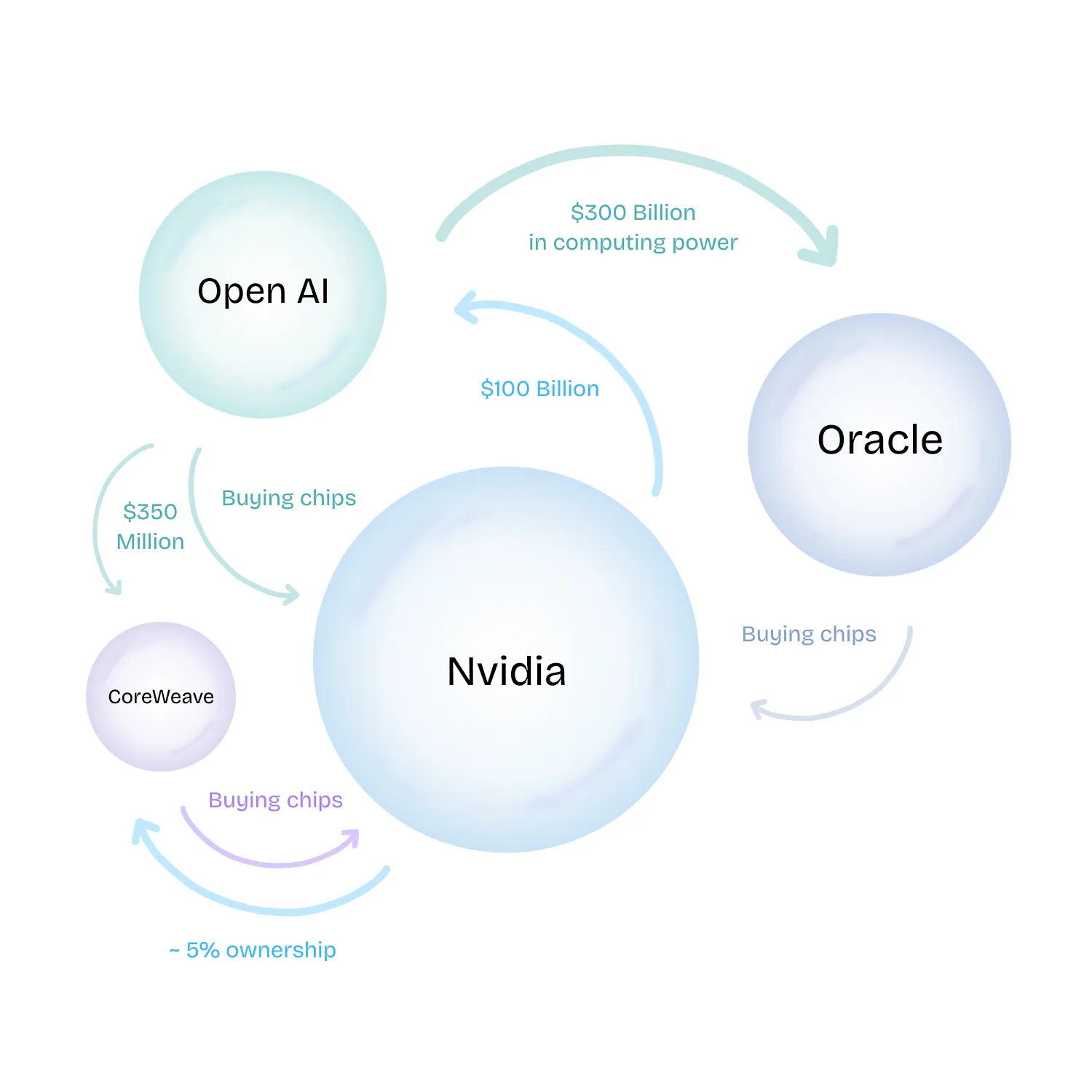
Financial markets and institutional investors are facing renewed scrutiny following a recent analytical report highlighting a growing AI bubble risk ECB warning. As the artificial intelligence sector continues to experience unprecedented capital inflows and record-breaking valuations, central banking authorities are sounding the alarm. The European Central Bank has explicitly pointed out that the current trajectory of global financial market valuations shares striking similarities with past historical market excesses, most notably the late 1990s dot-com era. For institutional players, business professionals, and economic analysts tracking global market stability, understanding these warnings is critical for navigating upcoming shifts in monetary policy, capital allocation, and asset pricing across both US and European exchanges.
- The European Central Bank issued a formal analytical report warning against surging valuations driven by artificial intelligence.
- US major tech stock valuations have approached historical peaks reminiscent of the dot-com bubble period.
- A sharp market correction in the United States could trigger substantial spillover risks for European financial stability.
ECB Issues Warning Over AI Market Valuations
Did the European Central Bank issue a formal warning regarding an artificial intelligence market bubble? Yes, in a recent analytical financial stability report, the European Central Bank cautioned market participants about the systemic vulnerabilities tied to the meteoric rise of tech valuations. The central bank highlighted that investor enthusiasm surrounding artificial intelligence has pushed equity prices to extraordinary heights, creating an environment highly sensitive to shifts in sentiment, earnings disappointments, or unexpected macroeconomic headwinds. This evaluation emphasizes that continuous monitoring of tech sector exposure is vital for commercial banks, investment funds, and institutional portfolios alike.
Parallels Between the AI Boom and the Dot-Com Bubble
Market historians and financial analysts have increasingly drawn comparisons between the ongoing artificial intelligence boom and the turn-of-the-century technology craze. During the dot-com era, speculative capital poured into internet-related startups and infrastructure companies ahead of actualized revenue streams, ultimately leading to a severe market contraction when projected earnings failed to match lofty expectations. Today, similar dynamics are observable within the AI ecosystem, where massive investments in data centers, specialized chips, and foundational models outpace immediate commercial profitability monetization cycles.
US Tech Stocks Approaching Historical Highs
According to the analytical insights released by the European regulatory and economic framework documents, equity valuations of major United States technology corporations have steadily climbed toward historical thresholds previously recorded during peak dot-com trading periods. Because US mega-cap technology firms command an exceptionally high weighting in global equity benchmarks, their valuation metrics directly influence international investor sentiment and cross-border capital flows.
Potential Spillover Risks for European Financial Markets
How would an artificial intelligence market correction impact Europe? Given the high degree of financial globalization and interconnectedness, European financial markets are not insulated from developments originating on Wall Street. The European Central Bank explicitly noted that any sudden, sharp correction in US equity markets could swiftly transmit across the Atlantic. Such a shock could affect European institutional investors, mutual funds, and commercial lenders holding concentrated exposures to US tech assets, tightening financial conditions and impacting broader economic stability across the eurozone.
| Market Metric / Feature | Dot-Com Era Peak (Late 1990s) | Current AI Boom Phase |
|---|---|---|
| Primary Driver | Internet adoption and telecom infrastructure | Generative AI, data centers, and semiconductor hardware |
| US Tech Valuation Levels | Extreme historical highs relative to earnings | Approaching historical peaks among major US corporations |
| Transmission Channel to Europe | Cross-border equity contagion and fund redemptions | Global portfolio exposure and sudden US market corrections |
What Investors Should Watch Next
As regulatory bodies and central banks increase their scrutiny of technology sector valuations, business professionals and portfolio managers must adopt a disciplined approach to risk management. Monitoring earnings reports against capital expenditures, tracking shifts in monetary policy, and evaluating enterprise adoption rates for technologies promoted by firms highlighted in recent analyses like Nvidia Secures $500B Wall Street AI Funding can provide clearer insights into whether current valuations are sustainable or heading toward a structural adjustment.
To navigate the evolving regulatory landscape surrounding advanced technologies, stakeholders should also review developments such as EU AI Transparency Rules Take Effect: What to Know. Staying informed on both financial stability warnings and compliance mandates ensures a well-rounded risk assessment framework.
In summary, while artificial intelligence continues to drive transformative productivity gains across the global economy, the warnings issued by the European Central Bank serve as a timely reminder of the risks associated with speculative market exuberance. Maintaining diversified portfolios and rigorous risk controls remains essential as global financial markets adapt to these pressures.