
Frequent flyers and aviation enthusiasts are welcoming a major shift in passenger comfort as United Airlines empty middle seat concept officially takes shape for upcoming long-haul routes. Designed to address the traditional discomforts of economy air travel, this innovative approach reimagines how cabin space is utilized on modern narrowbody aircraft. By permanently removing the traditional middle seat experience, the airline is introducing a fresh seating arrangement that prioritizes personal space, enhanced functionality, and a more relaxed travel environment for passengers embarking on extended journeys.
- United Airlines introduces a permanent empty middle seat concept on long-haul flights.
- The new layout is specifically designed for the Airbus A321XLR aircraft.
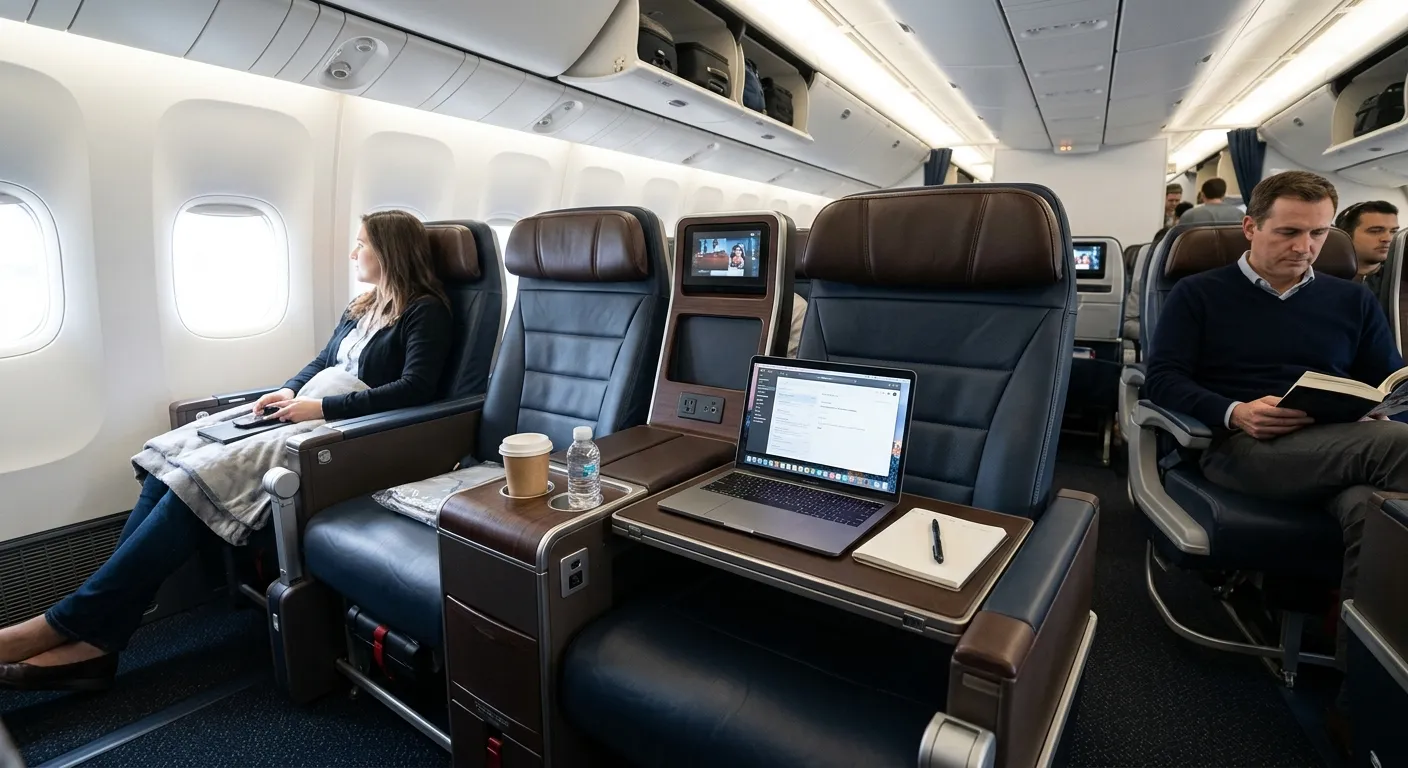
- Unused middle space is converted into a shared workstation and amenity surface.
- Dedicated cup holders and surfaces serve window and aisle passengers directly.
Introduction to United’s New Seating Concept
What is United Airlines’ new middle seat concept? It is an innovative cabin configuration for long-haul travel that keeps the middle seat permanently vacant, transforming the leftover area into a functional, shared amenity space rather than selling it as a standard passenger ticket. This strategic design directly targets the common frustrations of long-distance flying, offering travelers extra breathing room and practical utility.
How the Airbus A321XLR Cabin Layout Works
The operational backbone of this new layout relies on the cutting-edge capabilities of the Airbus A321XLR aircraft. By utilizing this advanced long-range narrowbody jet, United can efficiently deploy the empty middle seat configuration on routes where widebody aircraft were traditionally required, optimizing both fuel efficiency and passenger satisfaction.
Dedicated Workspace and Cup Holders for Window and Aisle Passengers
Rather than leaving the middle section completely empty, the airline has engineered the space to actively serve the travelers seated in the adjacent window and aisle positions. The area features a sturdy flat workspace surface complemented by integrated cup holders. This allows passengers to comfortably place beverages, laptops, or personal items without invading their neighbor’s personal boundary, bridging the gap between standard economy and premium seating tiers.
Strategic Benefits for Long-Haul Travelers
Long-haul flights often present physical fatigue due to cramped seating arrangements. By implementing this empty middle seat model, United reduces the psychological and physical stress associated with being locked between two other passengers. Travelers gain improved elbow room, easier access to aisle ways, and an organized surface area that supports productivity or relaxation during multi-hour flights.
Economic and Operational Implications for Modern Airlines
Implementing an empty middle seat layout naturally raises questions regarding airline economics and ticket pricing models. Traditional commercial aviation relies heavily on maximizing seat density to drive profitability per flight hour. However, evolving consumer preferences suggest that a growing segment of travelers is willing to pay a moderate premium for enhanced personal comfort, especially on transcontinental and transatlantic routes. By carving out a specialized tier between traditional economy and standard business class, carriers can capture high-value customers who might otherwise look for alternative premium carriers. Furthermore, the lightweight nature of narrowbody aircraft like the A321XLR helps offset potential revenue losses from reduced seat count by delivering significantly lower overall fuel burn compared to older, widebody aircraft configurations.
Passenger Response and Industry Competitor Outlook
Early industry feedback and focus group responses regarding United’s strategy indicate overwhelmingly positive reactions from frequent business and leisure flyers alike. The psychological relief of avoiding the dreaded middle seat while retaining a functional work surface addresses a long-standing pain point in commercial air travel. As details surrounding this rollout continue to develop, industry analysts anticipate that competitor airlines may soon explore similar hybrid cabin architectures to remain competitive in the evolving landscape of long-haul narrowbody travel experiences.
What This Means for the Future of Economy Travel
As airlines continuously seek ways to differentiate their service offerings, United’s latest initiative signals a potential turning point for long-haul travel standards. By prioritizing passenger comfort over maximum seating density in designated rows, the carrier sets a new benchmark for premium economy experiences across the global aviation industry.
Frequently Asked Questions
Which aircraft will feature the empty middle seat?
The empty middle seat concept is rolling out specifically on United Airlines’ long-haul flights operated by Airbus A321XLR aircraft.
How does this layout improve passenger comfort?
It eliminates the cramped feeling of middle-row seating by keeping the middle space vacant and converting it into a shared workspace and cup holder surface for window and aisle passengers.