

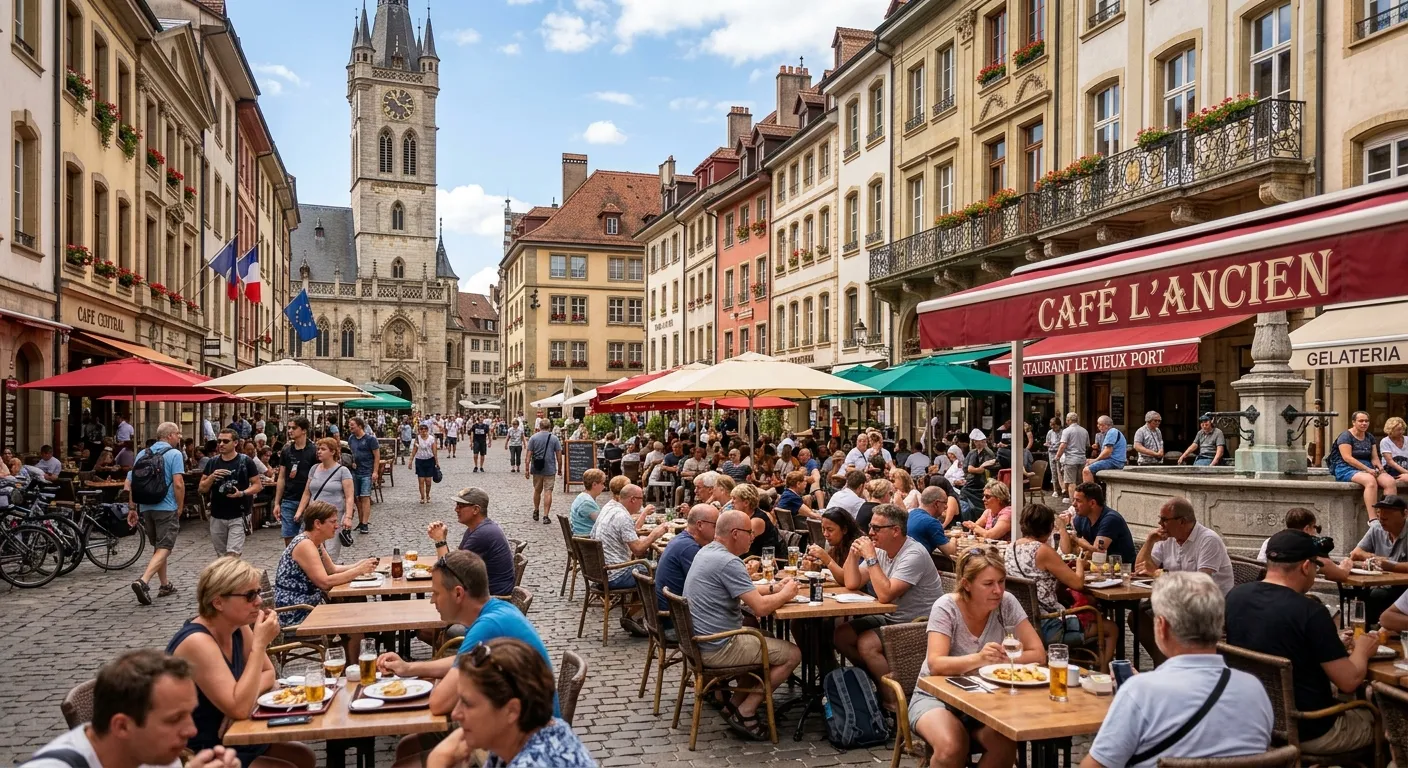
The European tourism sector has once again demonstrated remarkable resilience and enduring appeal, recording approximately 1.321 billion overnight stays during the first half of 2026. This performance marks a solid 1.7% increase compared to the same period in 2025, reflecting steady post-pandemic recovery and continuous traveler demand across the continent. Travel enthusiasts, tourism industry professionals, and economists are closely monitoring these figures to understand shifting travel demographics and regional economic impacts as the peak summer season approaches. Official data released by European Union statistical authorities highlight not just the overall volume, but also shifting patterns in visitor origins and top-performing destinations.
- EU tourism sectors recorded 1.321 billion overnight stays in H1 2026.
- Total growth reached 1.7% compared to the first half of 2025.
- Ireland, Malta, and Slovakia emerged as the top-performing countries for growth.
- Foreign visitors accounted for approximately 48.9% of all registered nights.
Overview of EU Tourism in Early 2026
How much did EU tourism grow in 2026? The European Union tourism sector grew by 1.7% in the first half of 2026, reaching 1.321 billion overnight stays compared to the corresponding period in 2025. This sustained upward trajectory underscores the sector’s ability to navigate global economic headwinds, fluctuating inflation rates, and changing consumer spending habits. Economists attribute this steady performance to a balanced mix of intra-European mobility and a strong return of long-haul international travelers seeking cultural, leisure, and business experiences across member states.
Record-Breaking Numbers and Growth Rates
Understanding the 1.7% Increase
While a 1.7% year-on-year increase may appear modest compared to the explosive rebound numbers seen in immediate post-pandemic years, industry analysts view this figure as a sign of healthy normalization. Achieving 1.321 billion overnight stays on top of already high baseline figures from 2025 demonstrates that European travel demand has firmly stabilized at elevated levels. For comparison, neighboring regions are experiencing contrasting trends, with sectors such as the Middle East tourism sector set to contract in 2026, highlighting Europe’s relative stability in the global tourism landscape.
Top Growing Destinations: Ireland, Malta, and Slovakia
While traditional tourism powerhouses continued to pull massive crowds, specific member states stood out for exceptionally high momentum. According to official early-year data, the top growing tourism countries EU-wide during this period were Ireland, Malta, and Slovakia. These nations successfully attracted higher volumes of visitors by promoting off-season cultural tourism, enhancing hospitality infrastructure, and expanding direct flight connectivity. Their stellar performance significantly contributed to the broader EU tourism nights 2026 milestone.
| Metric / Category | H1 2026 Performance Data |
|---|---|
| Total EU Tourist Nights (H1) | 1.321 billion stays |
| Year-on-Year Growth Rate | +1.7% vs. H1 2025 |
| Foreign Visitor Share | 48.9% of total nights |
| Top Growing Countries | Ireland, Malta, Slovakia |
The Role of International Visitors in European Tourism
A critical component of the H1 2026 performance involves traveler demographics. Official data reveals that foreign visitors—comprising travelers from both other EU member states and non-EU countries—accounted for approximately 48.9% of all registered overnight stays. This near-even split between domestic and international guests illustrates that international confidence in European travel corridors remains remarkably high. As global aviation networks continue to optimize, destinations across the continent are reaping the economic benefits of diversified visitor pools.
Economic Impacts and Future Outlook for European Hospitality
Beyond overnight stays, the continuous influx of travelers generates substantial revenue streams for local businesses, restaurants, and cultural landmarks. Member states are increasingly investing in sustainable tourism frameworks to balance high visitor volumes with environmental preservation. Furthermore, as highlighted in broader regional analyses such as Turkey Tourism Revenue Reaches $25.7B in H1 2026, the wider Mediterranean and surrounding European corridors are witnessing robust financial inflows despite macroeconomic pressures. Industry leaders emphasize that adopting digital guest services, eco-friendly lodging standards, and targeted cultural campaigns will be crucial for maintaining these positive growth trajectories throughout the remainder of the decade and beyond.